Scaling an SEO and marketing agency is an exciting phase that signals growth and success. However, rapid expansion comes with challenges, and missteps can lead to inefficiencies, strained resources, or even financial losses. As WP Engine posted, to scale profitably, agencies must carefully navigate the complexities of growth while maintaining the quality of their services. This article highlights key blunders to avoid when scaling an SEO and marketing agency, ensuring long-term success and stability.
Overpromising Results to New Clients
In the rush to acquire new clients, many agencies make the mistake of overpromising results. Guaranteeing top search engine rankings or immediate traffic boosts can create unrealistic expectations, leading to dissatisfied clients if those promises aren’t met. SEO is a long-term strategy, and transparency about the time it takes to see results is crucial. To avoid this, set clear expectations with clients from the outset. Focus on delivering consistent, measurable improvements in organic traffic, keyword rankings, and conversions. Educating clients about the nuances of SEO builds trust and strengthens long-term relationships.
Neglecting Process Optimization
Rapid growth can expose inefficiencies in workflows and processes. Scaling an SEO and marketing agency without robust systems becomes chaotic, leading to missed deadlines, reduced service quality, and strained team dynamics. Many agencies fall into the trap of scaling without streamlining their operations first. Invest time in creating and documenting standardized processes for keyword research, content creation, and performance reporting. Use project management tools to enhance collaboration and ensure accountability across teams. Process optimization allows you to handle a growing client base without compromising quality.
Ignoring Data-Driven Decision-Making

In the SEO and marketing world, data is king. However, many agencies scaling rapidly fail to leverage data effectively, relying instead on intuition or outdated strategies. This approach can result in poorly targeted campaigns and wasted resources. Use analytics tools like Google Analytics, SEMRush, and Ahrefs to track performance metrics and guide your decision-making process. Whether optimizing campaigns or pitching strategies to clients, data-driven insights ensure your agency remains competitive and results-focused.
Underpricing Services
Rapidly growing agencies often retain outdated pricing models to attract new clients, which can harm profitability. Underpricing services undervalues your agency’s expertise and limits your ability to invest in resources, technology, and team expansion. Conduct a market analysis to determine competitive rates and align pricing with the value your services deliver. Communicate the ROI clients can expect from your efforts, justifying your pricing structure. Raising your rates as you grow ensures profitability and demonstrates confidence in your agency’s capabilities.
Rushing Technology Integration

Technology is crucial for scaling, but hastily implementing new tools without proper planning can disrupt workflows and overwhelm your team. Over-reliance on technology without understanding its capabilities can also hinder growth. Before adopting new tools, ensure they integrate seamlessly with your existing processes. Provide adequate training to your team to maximize the benefits of new technologies, such as automation for reporting or AI-driven analytics. Proper technology integration enhances efficiency and scalability.
Scaling an SEO and marketing agency quickly and profitably requires careful planning, strategic decision-making, and a commitment to maintaining quality. Avoiding common blunders like overpromising results, underpricing services, or neglecting current clients is critical to sustaining growth. By optimizing processes, hiring effectively, and leveraging data-driven insights, your agency can expand its reach while delivering exceptional value to clients. Growth is not just about acquiring more clients—it’s about building a stronger, more resilient agency.…

 Storytelling is one of the oldest forms of communication, dating back to our earliest ancestors who shared tales around the campfire. But in today’s digital world, storytelling has become an essential tool for marketers seeking to connect with consumers on a deeper level. Stories have the power to evoke emotions, create connections, and inspire action in ways that facts and figures alone cannot. By tapping into the universal elements of storytelling – such as characters, conflict, and resolution – marketers can create narratives that resonate with their audience and leave a lasting impression.


 To improve your business’s findability in local search results, you need to optimize your website for local search. This includes including your region in your site’s content and metadata, creating location-specific landing pages, and including your business’s address and phone number on every page.
 A citation is an online mention of your enterprise’s name, address, and phone number on other sites, directories, or social media platforms. Building local citations is essential for local SEO as it helps Google verify your business’s location and credibility. Keep your NAP consistent across all citations and update them if your business moves or changes its phone number.
 If you want to improve your SEO ranking, one of the best things you can do is create and distribute valuable content. This could be in the form of blog posts, infographics, eBooks, or even just helpful tips and advice. You can even create and post a fun video regularly. Soft selling is always a way to go. Whatever form it takes, your goal should be to provide value to your audience. Not only will this help improve your SEO ranking, but it will also help you build trust and credibility with your audience.
 If you want your content to rank high in Google
  Those social media strategies may seem like they’ll be working just fine. But they actually aren’t enough. What’s lacking? One last social media tip that can help you boost your SEO is to connect with other businesses in your industry. This could be done through guest blogging or simply interacting and networking with other companies on social media. By building relationships with other businesses, you’ll not only boost your SEO ranking, but you’ll also build trust and credibility. And that’s a win-win for everyone involved.
 Responsive design is one of the most effective ways to ensure that your content is mobile-friendly. Responsive design means that your website will adjust its layout and design to best fit the screen size of the device it is being viewed on. This guarantees that your content will be shown in an accessible manner on any device, be it a desktop computer, tablet, or smartphone.
 Mobile devices are often used on the go, so users frequently search for local businesses. Make sure your site is optimized for local search by claiming your listing on Google My Business and other local directories. Include relevant keywords in your business name and complete all of the profile fields to give potential customers as much information as possible.

 Did you know that structured data can help you rank higher on Google? It’s true. Structured data is a code you can add to your website that helps Google understand your content better. This can include adding Schema markup to your website or using open graph tags. If you want to improve your SEO, you should definitely look into implementing some structured data on your website.
 One of the most important things you can do for your healthcare business is to create a consistent brand. Your branding should be evident in everything from your website design to your marketing materials.
 The next step to marketing your healthcare organization is to build a responsive website. A responsive website will adjust to any screen size, making it easy for patients and potential customers to find the information they need.
 Social media is one of the most powerful tools in a healthcare marketer’s arsenal. It can be used to reach out to patients, engage with them personally, and build relationships. There are a few things to remember when using social media for healthcare marketing.
 Your website is the very first thing that potential customers see. Therefore, you want to make sure it makes a good impression. It should be easy to navigate and looks professional. This will help build trust with potential customers and make them more likely to buy from you.
 Social media is a great way to promote your products and engage with customers. Use social media to post pictures and descriptions of your products, and offer special deals and discounts. This will help attract new customers and keep existing ones coming back for more.
 The first step in finding the right influencer is to evaluate their past work. This will give you a good idea of what they are capable of and how well they align with your brand. Look at the campaigns they have worked on in the past. Also, see if they are a good fit for your brand and if they have experience working with similar brands.
 Finally, you need to set up a suitable
 One of the best ways to get started in marketing is to use
  The final way to get started in marketing is to create a website. Your website is a great place to showcase your products or services, and it can be a great way to attract new customers. Make sure that your website is well-designed and easy to navigate. Include plenty of information about your products or services, and make sure that you have a strong call to action. If you can get people to your website, you will be well on your way to success. This is how many businesses operate these days, and it is a great way to get started.


 Adding an Internet search engine optimization strategy to your topic selection and website copywriting is the most ideal way to develop long-term traffic. Use websites to discover exactly what people are searching for and talking about your business, as a first step to optimizing your website’s potential. It doesn’t make sense to focus on an ad that introduces a business to a person who is in the awareness stage. Nor does it make sense to focus on an offer in the awareness stage, such as a website post to someone ready to buy. For this reason, it’s critical to tailor your posts to each stage of the customer journey.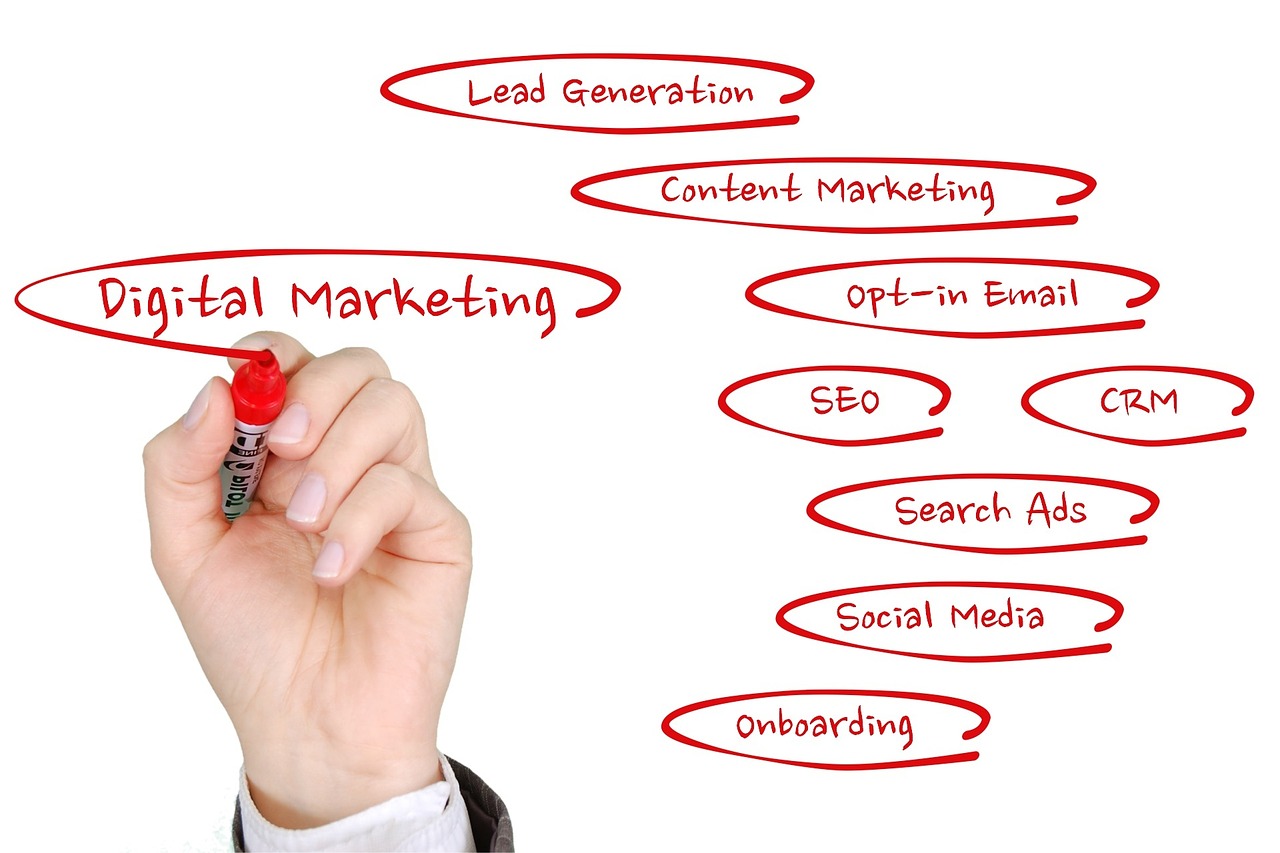
 You are dealing with your website readers. You will probably make them feel appreciated by creating self-responses for each item. Everyone wants to feel meaningful and understood, and that’s precisely what self-responders can do with dedication and courage.